
Casitas in Arizona: Everything You Need to Know
Casitas are becoming one of the most popular backyard projects in Arizona. Whether you want a guest retreat, home office, or fully independent living space, here is what to expect.
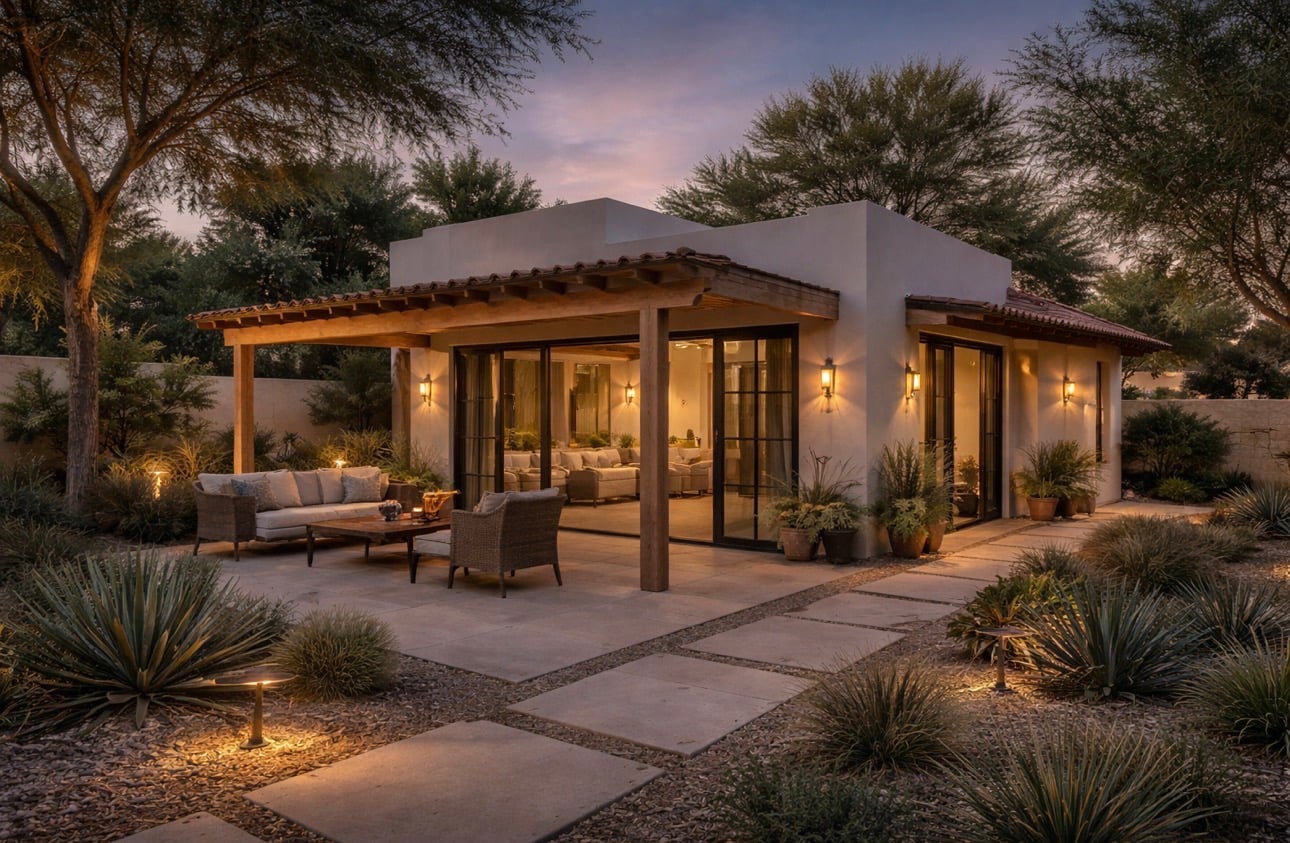
Casitas in Arizona are popular because they solve real problems. They give homeowners a separate space that can serve as a guest house, home office, pool house, or a fully independent living area, without adding onto the main home.
When we talk about building a casita, we are talking about a detached structure on your property designed entirely around how you want to use it. For some homeowners that means a simple flex space. For others it means multiple bedrooms, bathrooms, a full kitchen, and high-end finishes throughout.
That is exactly why pricing can vary so much. Accessibility to the backyard, utility connections, soil conditions, the amount of prep work required, square footage, and how completely the space needs to be built out all play a role in where the project lands.
Our goal is to understand how you want to use the casita and design everything up front so the process feels clear from the start. Once we know what you need, we can make that design come to life and build it in a way that fits your property.
- Casitas typically range from $200,000 to $800,000 depending on scope
- Uses include guest space, home office, pool house, or independent living
- Pricing adjusts based on utilities, access, soil, size, and finishes
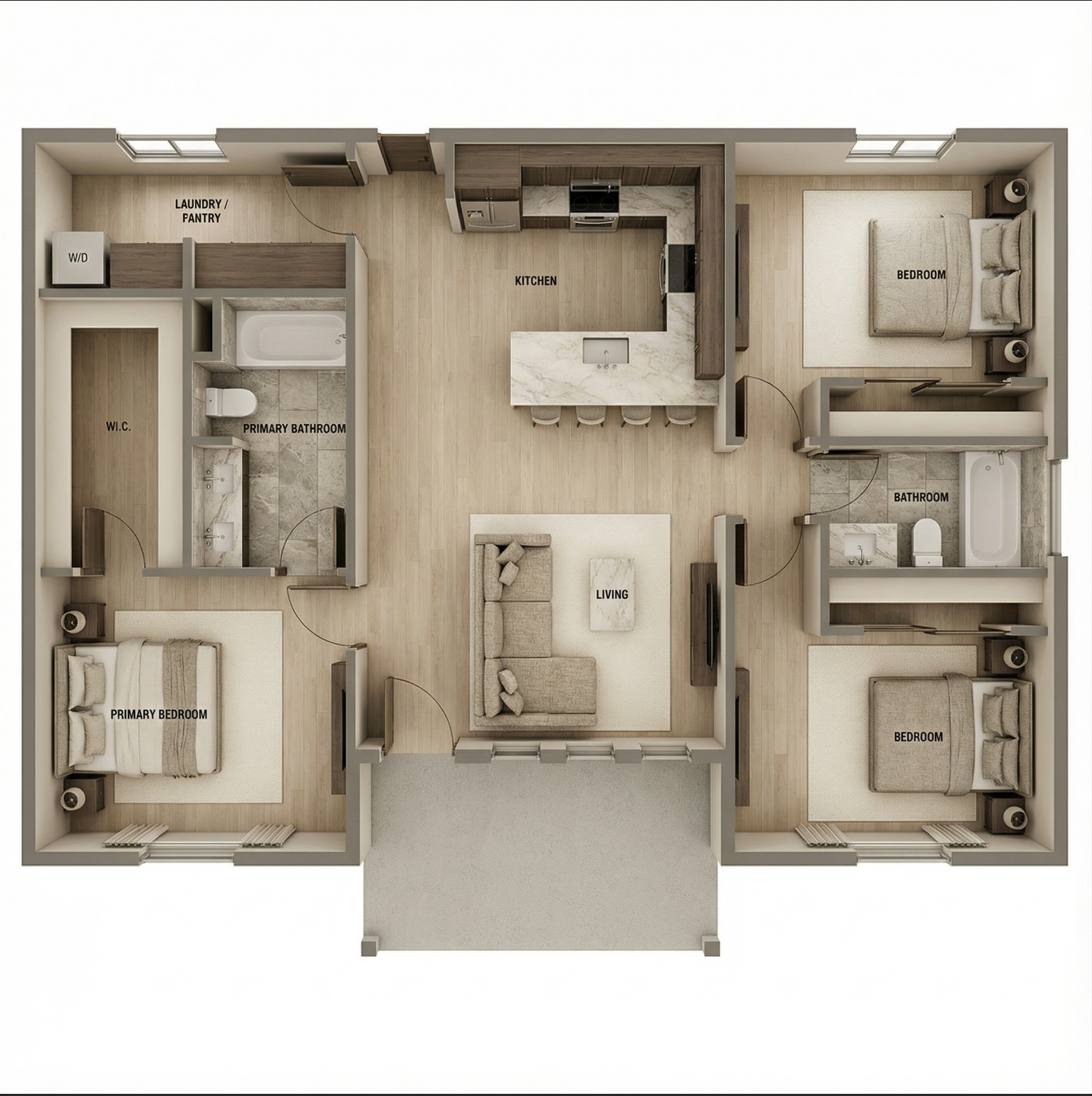
- Layouts can be open or divided into multiple rooms
- Bathrooms, kitchens, and outdoor elements all affect the budget
- Door types, ceiling height, and materials are all customizable
- Permitting is a major part of the overall process and timeline
- Early planning leads to significantly better outcomes
A casita is not just an extra room in the backyard. It is its own structure, and the right design depends on how you actually plan to use it, not just what looks good in a photo.
Pricing
How Much Does a Casita Cost in Arizona?
A casita project in Arizona can start around $200,000 for a basic build and reach $800,000 or more for a fully finished, high-end structure. That wide range exists because casitas are incredibly flexible, and that flexibility is what makes pricing so dependent on your goals.
A lot of homeowners assume they can build a large casita with every upgrade for a very low number. Once you add square footage, plumbing, kitchens, bathrooms, premium finishes, and more complex site work, the investment moves quickly.
This is why thinking in ranges is more useful than looking for a single fixed price. The right number for your project depends on what you are actually building and why.
| Item | How It Affects Price | Why It Adds Cost |
|---|---|---|
| Basic open layout | Lower end of the range | Less framing, fewer rooms, simpler finish scope |
| Multiple bedrooms and bathrooms | Mid to high increase | More square footage, plumbing, electrical, and interior work |
| Full kitchen | Major increase | Cabinetry, appliances, plumbing, ventilation, and electrical |
| Premium doors and ceiling upgrades | Varies | More expensive materials and specialized installation |
| Site access and utility work | Varies significantly | Prep work, trenching, connections, and construction complexity |
Typically, the more complete and independent the casita becomes, the more the investment grows. Starting with a realistic range makes the design process a lot smoother.
What Moves the Number
Cost Drivers
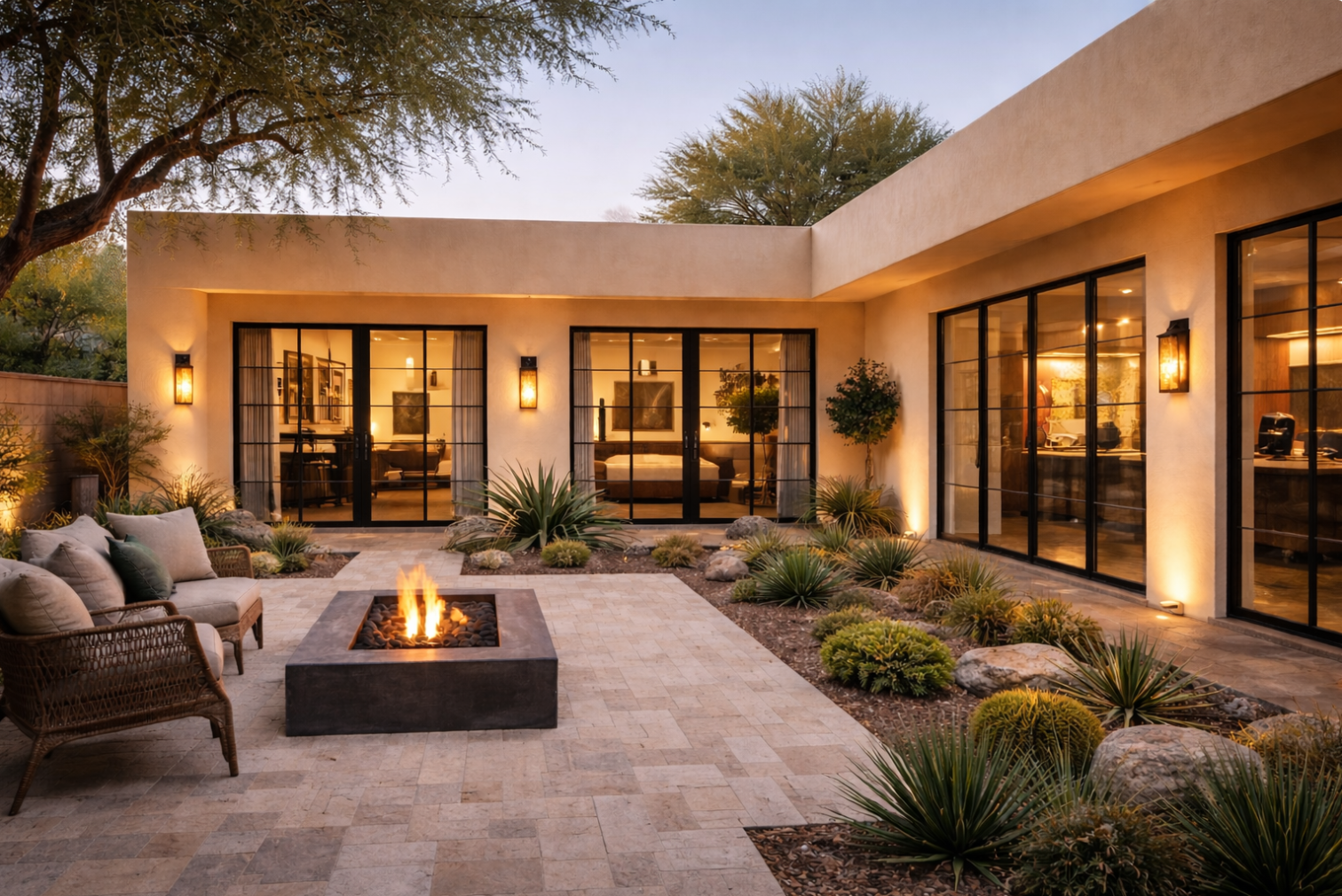
The biggest cost drivers in a casita project are the size of the structure, how it needs to be used, site conditions, utility connections, and the level of finish throughout. Two casitas can sound similar at first and still land at very different price points.
The first major driver is what the casita needs to do. A home office or simple pool house is a very different project from a guest house built for overnight living. Once you start adding bedrooms, bathrooms, full kitchens, and independent living functions, both the complexity and the budget increase.
Site conditions are another major factor before construction even starts. Where utilities need to come from, how accessible the backyard is for equipment, and what the soil conditions look like all affect the cost before a single wall goes up.
- Overall square footage and building footprint
- Backyard access and construction logistics
- Utility routing: water, sewer, gas, and electric
- Soil conditions and site prep requirements
- Open layout versus multiple divided rooms
- Bathrooms and number of plumbing fixtures
- Kitchen or kitchenette installation
- Multi-slide or folding door packages
- Interior and exterior finish materials
- Ceiling heights and architectural details
If you want to stay closer to the lower end of the range, keep the layout simple and be intentional about what plumbing and finish work actually needs to be there.
Finding Your Fit
Good, Better, Best Options
When we design a casita project, we usually walk homeowners through a good, better, best approach. It makes it easier to compare options and understand what each level of investment gets you, without feeling overwhelmed.
A simple open structure with your core needs. Flexible layout, no dividing walls, and basic finishes. Great for homeowners who want extra space without overbuilding.
A dedicated use like a home office or guest suite with a bathroom. The space starts to feel tailored and functional for a specific part of your lifestyle.
Multiple bedrooms, bathrooms, a full kitchen, and high-end finishes throughout. Functions like an independent mini home on your property.
There is no wrong option here. The right choice depends on how the casita will be used, how often, and how independently it needs to operate from the main home.
Good, better, best is not about upselling. It is about helping you see the trade-offs clearly so you can make a decision you feel good about.
What You Can Build In
Features & Options to Consider
One of the best things about a casita is that if you can put it in a house, you can usually put it in a casita. The design possibilities are wide open, and that is what makes these projects so much fun to work on.
Start by thinking about how the space will actually be used day to day. A home office has different priorities than a guest retreat or a pool house. Once the use is clear, the features that make sense become a lot easier to identify.
Openings and indoor-outdoor connection are a big part of the design. Multi-slide doors and folding doors can completely change how the casita feels, especially if it connects to a pool, patio, or outdoor entertaining area.
- Open-concept or room-divided floor plan
- Private bedrooms and sleeping areas
- One or multiple bathrooms
- Kitchen or full appliance package
- Home office layout
- Pool house design
- Multi-slide or folding doors
- Outdoor barbecue connection
- Covered shade or patio elements
- Higher ceilings and architectural upgrades
- Custom interior and exterior finishes
- Independent utility hookups
Guest Accommodations
Private sleeping area, bathroom, comfortable finishes, and independent access
Home Office
Simple layout, natural light, bathroom, and strong indoor-outdoor connection
Pool House & Entertaining
Large doors, bathroom, barbecue connection, and covered shade structure
Independent Living
Multiple rooms, full kitchen, bathrooms, and fully residential-style finishes
The best casita designs come from matching features to the actual purpose of the structure, not from trying to include everything at once.
How Long It Takes
Build Timeline
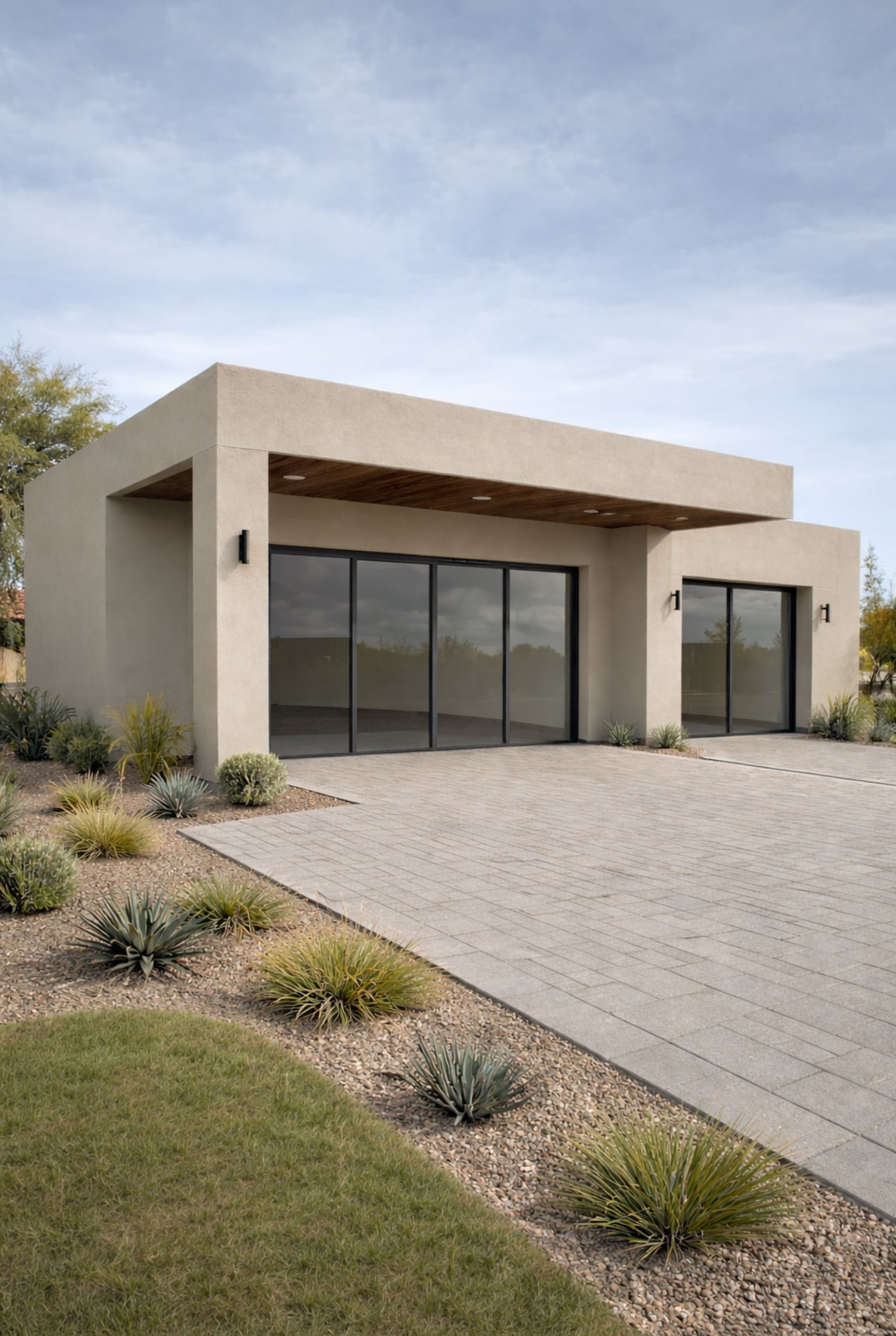
A typical casita project takes somewhere between 6 and 12 months from planning through completion. That is longer than most people expect, and the main reason is permitting, which is a real part of the process, not a formality.
Permitting alone can take about three months, and in some situations the full front-end process, design, plans, and approvals, can push out to six months before a single shovel goes in the ground. Once construction begins, the build itself typically takes another three to nine months depending on the size and complexity of the project.
This is why anyone considering a casita should start the planning process sooner rather than later. The timeline is not compressible once you are in it.
Initial planning and use-case discussion
Design and layout development
Construction plans and permitting (approx. 3–6 months)
Site prep, utility planning, and foundation work
Framing, structural work, and enclosure
Plumbing, electrical, and mechanical installation
Interior build-out and finish installation
Final details, inspections, and project completion
- Typical overall timeline: 6 to 12 months
- Permitting alone can take around 3 months
- Front-end planning can stretch to 6 months before breaking ground
- Build duration depends on size and complexity
- Early planning helps avoid unnecessary delays
- Simpler designs generally move faster through construction
If you are thinking about a casita, start sooner rather than later. These projects reward early planning more than almost any other type of construction.
Getting Started
Next Steps
If a casita is something you are seriously thinking about, the next step is to start exploring your options and get a realistic feel for what the project could look like before committing to anything.
That is exactly why the estimate tool exists. It lets you work through different options, size, layout, features, finishes, and see how those choices affect the overall investment. The more time you spend in the tool, the clearer the picture becomes before you ever sit down with us.
Once you have a good feel for budget and priorities, reach out. From there we can take what you have been thinking through and start shaping it into a real design that fits your property and how you live.
Click the estimate tool and start exploring your options
Think through the purpose of the casita and what you need inside it
Adjust size, layout, and features to match your goals and budget
Submit your information and connect with us to move into design
Casita projects reward early planning. The sooner you start exploring the options, the smoother the design and build process will be.